Whether you’re sketching for a kids’ book, designing a calming background for a meditation app, or just doodling on a rainy afternoon, a clean, “ocean waves simple drawing” can bring a touch of serenity to any project. This guide walks you through practical use cases, step‑by‑step creation tips, and how to choose the right style for your audience.
1. Why a Simple Wave Design Works Everywhere
Unlike detailed marine illustrations, a minimalist wave is versatile. It can be scaled, color‑modified, or animated with ease. Designers love it for UI backgrounds, educational posters, and even branding for wellness products because it evokes movement without overwhelming the viewer.
2. Quick Sketching Techniques for Beginners
Start with a single curved line that rises and falls. Add a gentle “S” shape underneath to suggest the trough. A few small, wavy lines on the crest hint at foam. Keep strokes light so the image remains uncluttered. When you’re satisfied, darken the outer lines to create contrast.
3. Using the Public Domain Ocean View for Inspiration

Notice how the real ocean image shows light reflecting off the surface. When translating that to a drawing, a single highlight line can suggest light without adding detail. This technique keeps the illustration simple yet lively.
4. Selecting the Right Color Palette
- Calming Blues: Light turquoise for background, deep navy for outlines.
- Sunset Theme: Soft coral accents on the crest to mimic a setting sun.
- Monochrome: Black on white for a classic, timeless look.
Pick colors that align with your brand or project mood. A muted palette works well for educational materials; brighter hues suit playful children’s apps.
5. Practical Scenarios: From Web to Wall
5.1 Web Page Backgrounds
Place a muted wave pattern behind text to add depth without distraction. Use SVG for scalability and quick load times.
5.2 Kids’ Activity Books
Print large, bold waves for tracing exercises. The simple lines help children practice hand control.
5.3 Product Packaging
A small wave icon can act as a watermark on a bottle label, hinting at the product’s natural, ocean-inspired ingredients.
6. Adding Motion: Basic Animation Tips
With CSS or GIFs, animate the wave by shifting the crest line slightly back and forth. Keep the frames minimal—just a couple of key positions—to preserve the simplicity while giving the viewer a sense of flow.
7. Final Touches and Exporting
Before exporting, ensure the line weight is consistent. Convert the sketch to a vector format (SVG or PDF) so it can be resized without loss. For print, use CMYK colors; for digital, stick to RGB.
8. Where to Find More Inspiration
Browse public domain libraries for high‑resolution sea photographs, then distill them into your own minimal style. Remember, the goal is to capture the essence of ocean waves while keeping the drawing approachable and versatile.
With these guidelines, you can quickly produce an ocean waves simple drawing that fits any project—whether it’s a soothing background, a teaching aid, or a brand emblem. Start sketching today and let the rhythmic lines bring calm to your creative work.
Whether you’re sketching for a kids’ book, designing a calming background for a meditation app, or just doodling on a rainy afternoon, a clean, “ocean waves simple drawing” can bring a touch of serenity to any project. This guide walks you through practical use cases, step‑by‑step creation tips, and how to choose the right style for your audience.
1. Why a Simple Wave Design Works Everywhere
Unlike detailed marine illustrations, a minimalist wave is versatile. It can be scaled, color‑modified, or animated with ease. Designers love it for UI backgrounds, educational posters, and even branding for wellness products because it evokes movement without overwhelming the viewer.
2. Quick Sketching Techniques for Beginners
Start with a single curved line that rises and falls. Add a gentle “S” shape underneath to suggest the trough. A few small, wavy lines on the crest hint at foam. Keep strokes light so the image remains uncluttered. When you’re satisfied, darken the outer lines to create contrast.
3. Using the Public Domain Ocean View for Inspiration
Notice how the real ocean image shows light reflecting off the surface. When translating that to a drawing, a single highlight line can suggest light without adding detail. This technique keeps the illustration simple yet lively.
4. Selecting the Right Color Palette
- Calming Blues: Light turquoise for background, deep navy for outlines.
- Sunset Theme: Soft coral accents on the crest to mimic a setting sun.
- Monochrome: Black on white for a classic, timeless look.
Pick colors that align with your brand or project mood. A muted palette works well for educational materials; brighter hues suit playful children’s apps.
5. Practical Scenarios: From Web to Wall
5.1 Web Page Backgrounds
Place a muted wave pattern behind text to add depth without distraction. Use SVG for scalability and quick load times.
5.2 Kids’ Activity Books
Print large, bold waves for tracing exercises. The simple lines help children practice hand control.
5.3 Product Packaging
A small wave icon can act as a watermark on a bottle label, hinting at the product’s natural, ocean-inspired ingredients.
6. Adding Motion: Basic Animation Tips
With CSS or GIFs, animate the wave by shifting the crest line slightly back and forth. Keep the frames minimal—just a couple of key positions—to preserve the simplicity while giving the viewer a sense of flow.
7. Final Touches and Exporting
Before exporting, ensure the line weight is consistent. Convert the sketch to a vector format (SVG or PDF) so it can be resized without loss. For print, use CMYK colors; for digital, stick to RGB.
8. Where to Find More Inspiration
Browse public domain libraries for high‑resolution sea photographs, then distill them into your own minimal style. Remember, the goal is to capture the essence of ocean waves while keeping the drawing approachable and versatile.
With these guidelines, you can quickly produce an ocean waves simple drawing that fits any project—whether it’s a soothing background, a teaching aid, or a brand emblem. Start sketching today and let the rhythmic lines bring calm to your creative work.
Ocean Surf Free Stock Photo - Public Domain Pictures
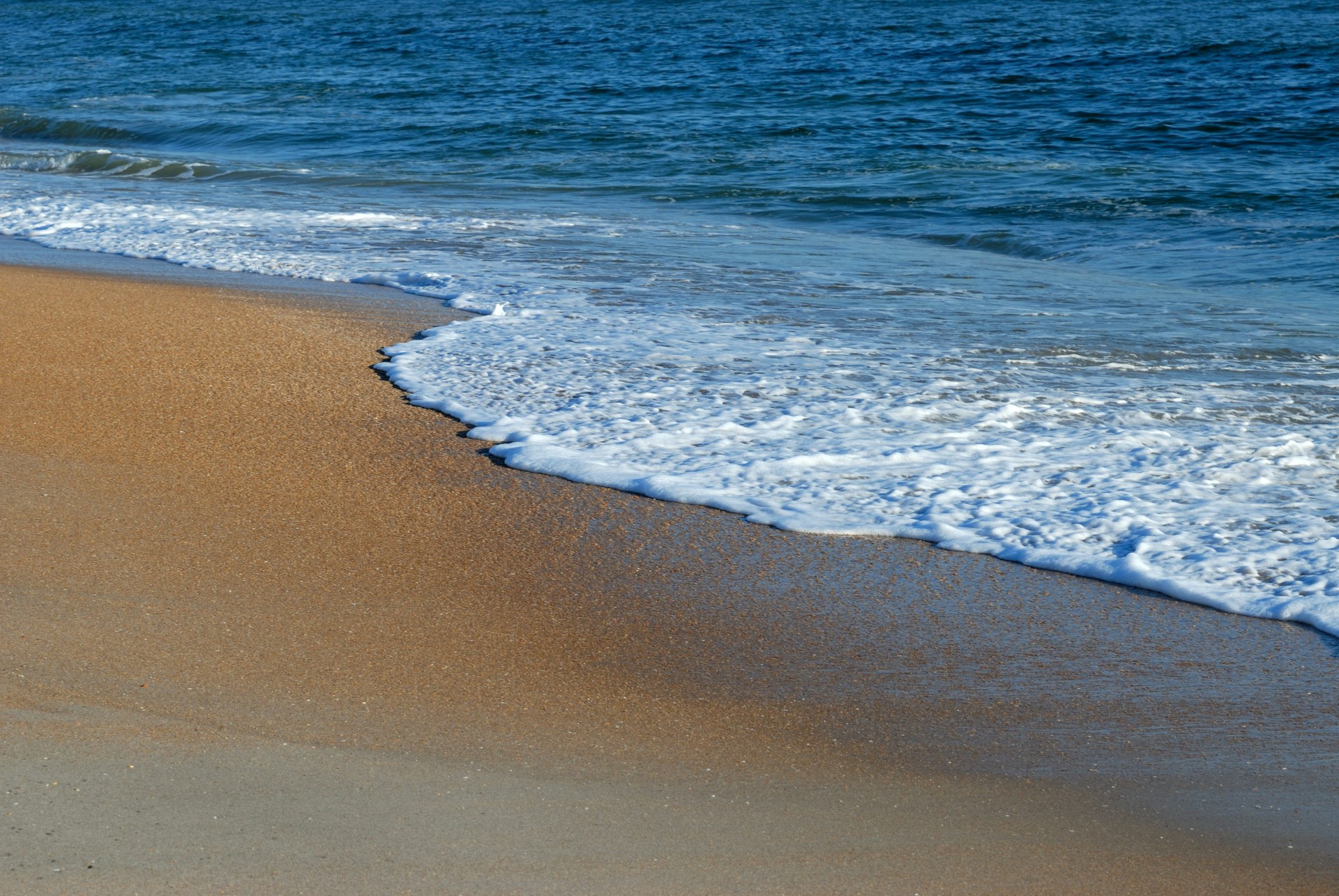
Ocean Surf Free Stock Photo - Public Domain Pictures
Ocean Waves Blue Free Stock Photo - Public Domain Pictures
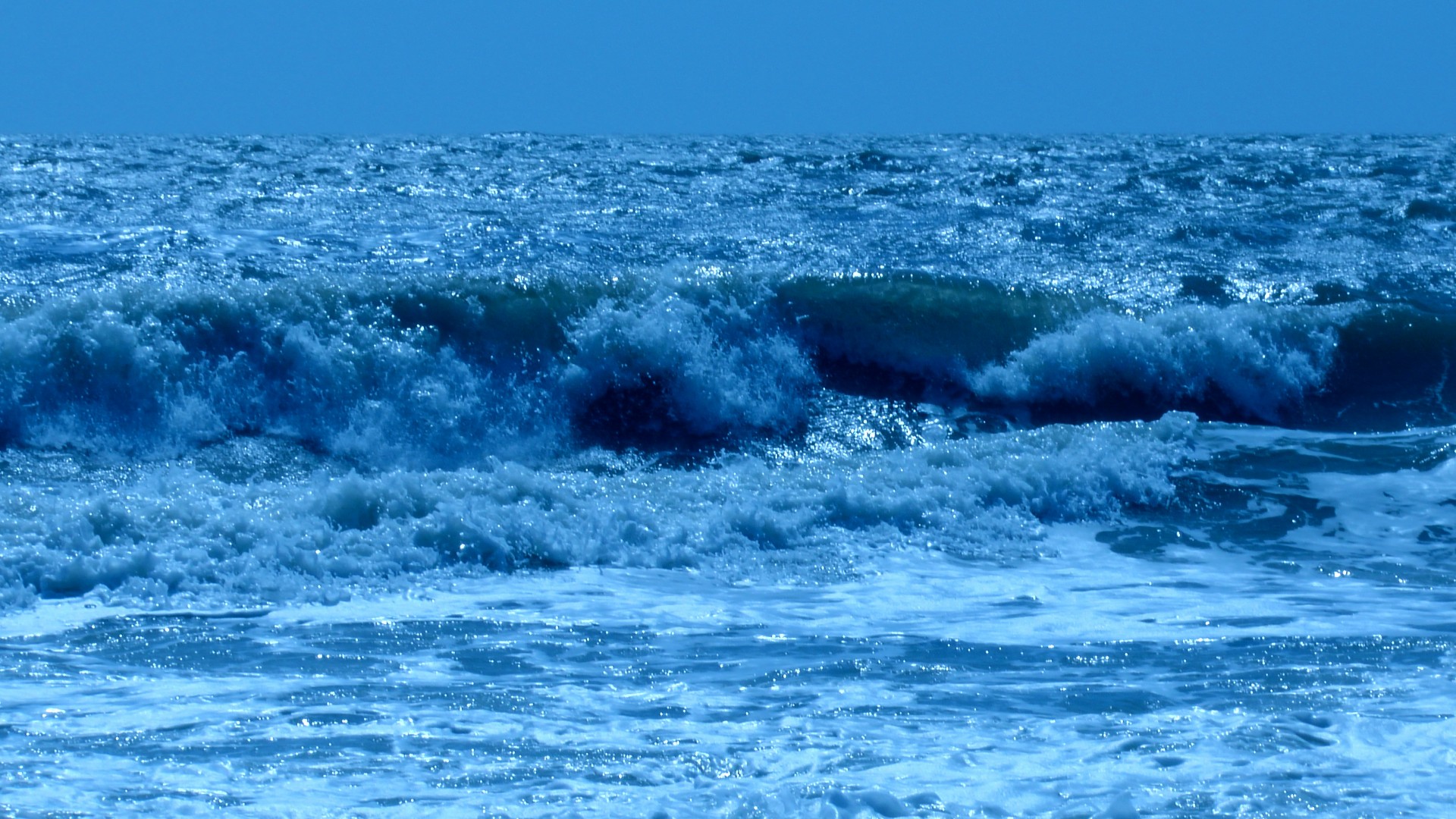
Ocean Waves Blue Free Stock Photo - Public Domain Pictures
Ocean Scenic Pacific Ocean Free Stock Photo - Public Domain Pictures
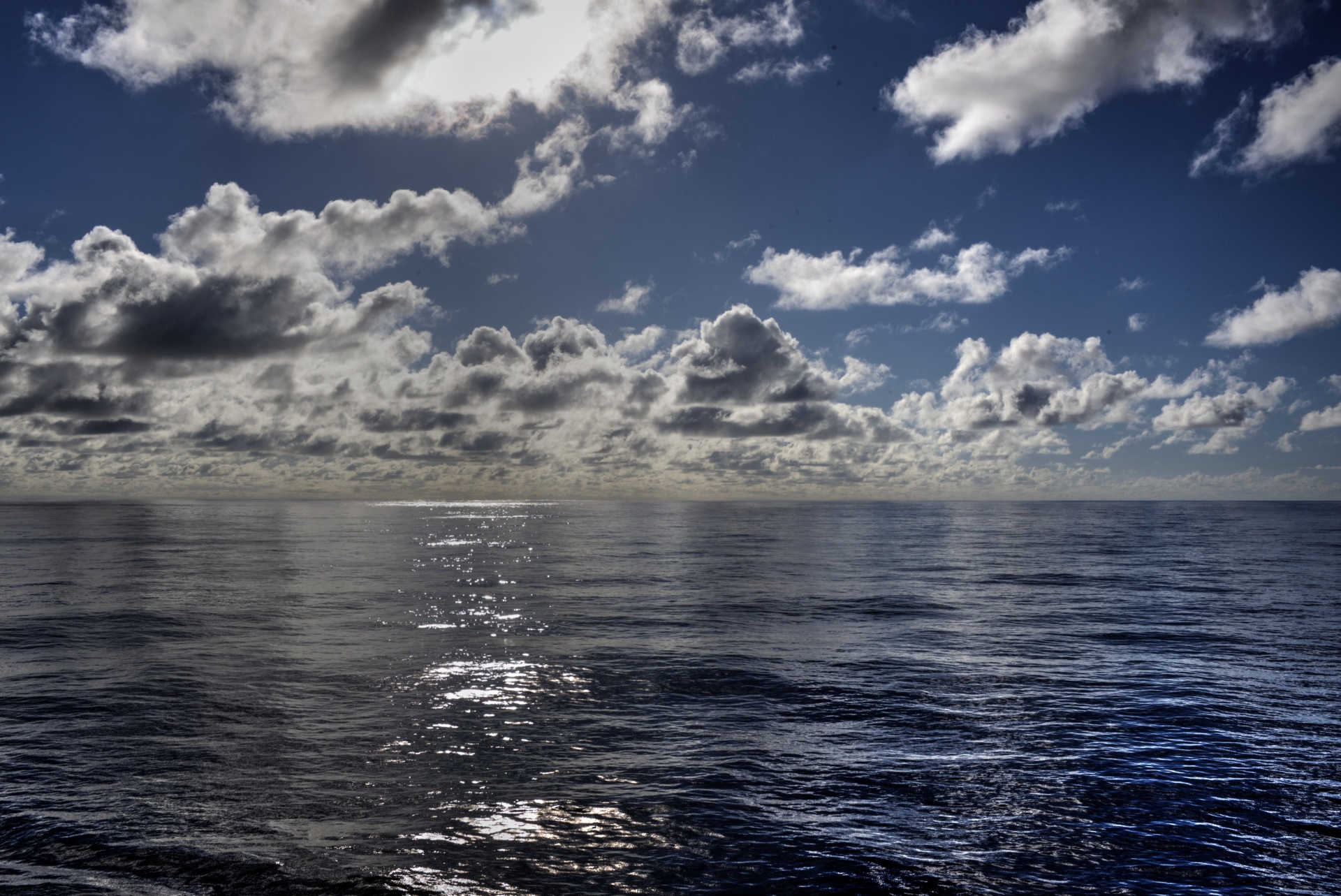
Ocean Scenic Pacific Ocean Free Stock Photo - Public Domain Pictures
Ocean Travel Scenic Background Free Stock Photo - Public Domain Pictures

Ocean Travel Scenic Background Free Stock Photo - Public Domain Pictures